

Restorative Dentistry helps Sunnyvale patients fix damaged, decayed, or missing teeth so their mouths work the way they should. Whether you’re dealing with a cracked molar or a gap where a tooth used to be, the right restoration makes a real difference. Read on to find out what we treat, how we choose the right fix, and what your visit actually looks like.
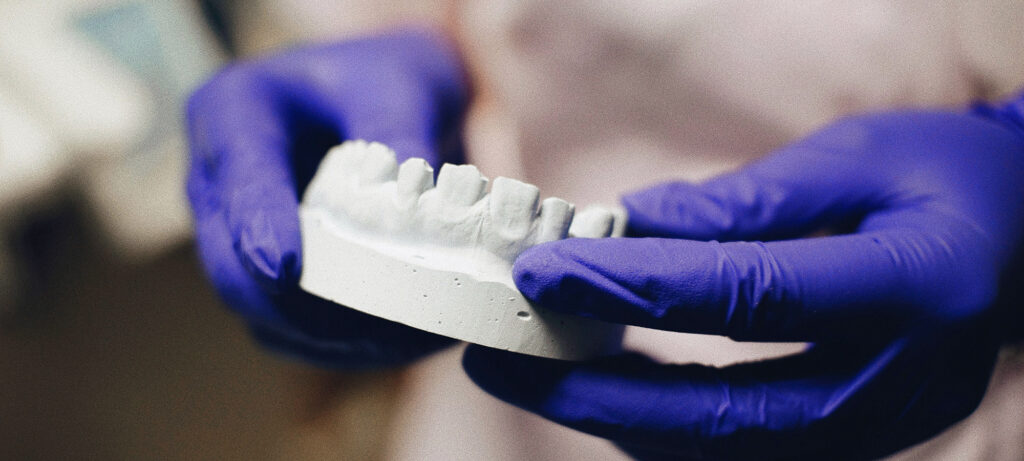
Using modern techniques and advanced materials, restorative dentistry not only fixes teeth—it rebuilds smiles. Whether managing cavities, cracked teeth, or other dental issues, we provide personalized solutions to protect your oral health and maintain a natural, beautiful smile.
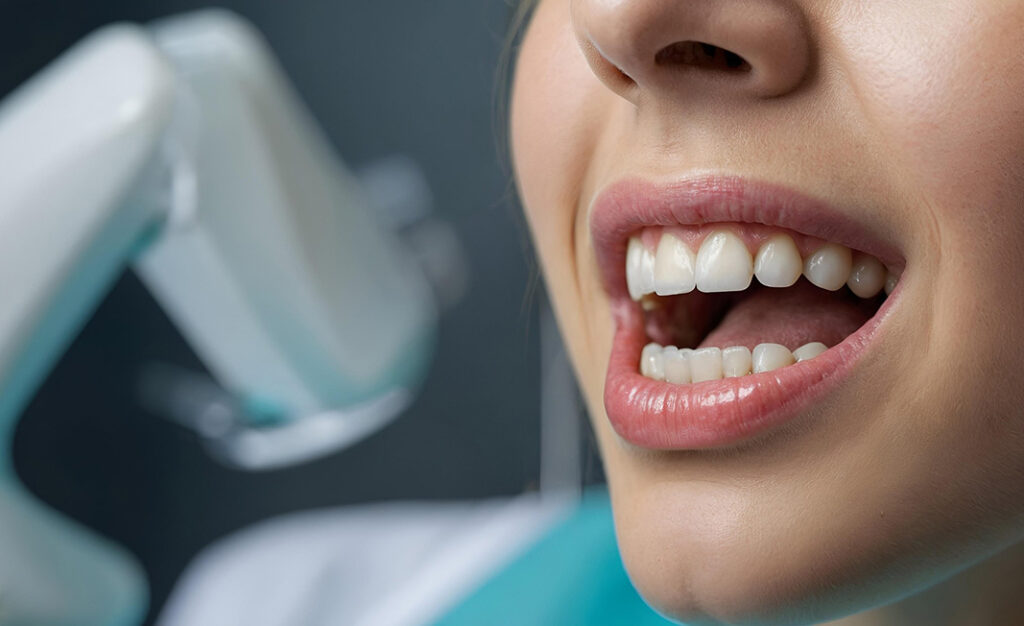
You bite into something cold and feel a sharp zing shoot through your jaw. Or maybe you notice a dark spot on a back tooth that wasn’t there six months ago. These are the moments that bring people into our Sunnyvale office every day.
Cavities are the most obvious one. A small area of decay can sit quietly for months before you feel anything. By the time it hurts, the cavity has usually grown deeper into the tooth structure. We clean out the decay and place a filling that matches your natural tooth color. Done right, you won’t even remember which tooth it was.
Cracked and chipped teeth are right behind cavities on the list. A crack doesn’t always mean the tooth is lost. Crowns wrap around the remaining tooth and give it full strength again. But timing matters. A small crack today can become a split tooth next month if you wait.
Missing teeth create a chain reaction most people don’t expect. The teeth on either side start shifting. Your bite changes. Bone loss begins in the empty space. Bridges and implant-supported restorations fill that gap and stop the domino effect before it gets worse. According to the American Dental Association, nearly 120 million Americans are missing at least one tooth, so this is far from rare.
Then there’s the worn-down tooth. Years of grinding, acidic foods, or old fillings that have broken down leave teeth weak and sensitive. Patients from across Sunnyvale come in saying their teeth just feel “off.” They can’t chew on one side. Hot coffee sends them through the roof. Onlays and crowns rebuild that lost structure so the tooth works like it should again.
Root infections are the one people dread most. That deep, throbbing ache that keeps you up at night? Bacteria have reached the inner pulp of the tooth. A root canal removes the infection, and a crown seals everything back up. The tooth stays in your mouth. The pain stops. It’s genuinely that straightforward.
Old dental work fails too. Silver amalgam fillings placed fifteen or twenty years ago expand and contract with temperature changes. They crack. They leak. Bacteria sneak underneath. We replace failing restorations with modern materials that bond directly to the tooth and last longer.
Not sure which of these sounds like your situation? That’s actually pretty common. Most people who walk through our door know something feels wrong but can’t pinpoint exactly what it is. That’s our job. We use digital imaging and a thorough exam to find the real problem, not just the symptom you’re feeling. And with over 41 years of hands-on experience right here in Sunnyvale, we’ve seen just about every version of these issues.
Restorative work isn’t about cosmetics or luxury. It’s about keeping your teeth functional and healthy for the long run. Every problem on this list gets worse with time. None of them get better on their own.
Dental fillings are one of the most common restorative treatments used to repair cavities caused by tooth decay. They prevent further damage, restore the tooth’s strength and function, and can be part of a broader treatment plan that may include root canal treatment or solutions for tooth loss.

With precise treatment planning, dental fillings are a straightforward procedure that restores tooth strength, preserves oral health, and prevents further complications.
When cavities or damage are too large for fillings but not severe enough for crowns, inlays and onlays provide the perfect in-between option. Custom-made in a dental lab, these restorations fit precisely over a damaged surface of a tooth, helping protect the tooth root while the dentist removes only the decayed portions.
Inlays and onlays combine precision fit with aesthetic beauty, making them a superior option for restoring moderate dental damage.
A dental crown, or “cap,” is a custom-made restoration that covers an entire tooth. Crowns are recommended when a tooth is significantly weakened or damaged and cannot be restored with a filling or onlay.
We provide crowns made from porcelain, ceramic, metal, or porcelain-fused-to-metal, depending on your needs. Crowns provide:
A crown doesn’t just protect what’s left of your tooth—it restores beauty, confidence, and function to your smile.
A dental bridge is a reliable option for replacing one or more missing teeth. Anchored by crowns on the teeth beside the gap, bridges fill in the space with a lifelike artificial tooth, or pontic.
Bridges are custom-designed to match your natural teeth and restore balance to your bite. For patients looking for a non-removable solution that looks and feels natural, a dental bridge often delivers the ideal balance of function and beauty.
When decay or infection reaches the inner pulp of a tooth, pain and sensitivity follow. Instead of losing the tooth entirely, root canal therapy allows us to save and restore it.
During a root canal, the dentist removes the infected pulp, thoroughly cleans and disinfects the inside of the tooth, and seals it with a filling. In most cases, a crown is placed afterward to provide long-term protection and restore full function.
Thanks to modern technology and techniques, root canals today are comfortable and highly effective, offering relief and long-term benefits for patients.
While saving natural teeth is always the goal, extractions may be required if a tooth is too damaged, decayed, or infected to be saved.
We use advanced anesthetics and gentle techniques to ensure your comfort during the process. For patients with dental anxiety, sedation options are also available. Our team also provides guidance for healing and replacement options, such as implants or bridges, so your smile stays complete and functional.
Wisdom teeth often emerge during the late teens or early twenties, and for many people, they become problematic. Common issues include impaction, crowding of adjacent teeth, gum inflammation, or pain.
With modern methods, wisdom tooth extraction is safe and efficient. Most patients experience mild, short-term discomfort followed by a quick recovery. Removing problematic wisdom teeth early helps preserve alignment and prevent costly complications down the line.
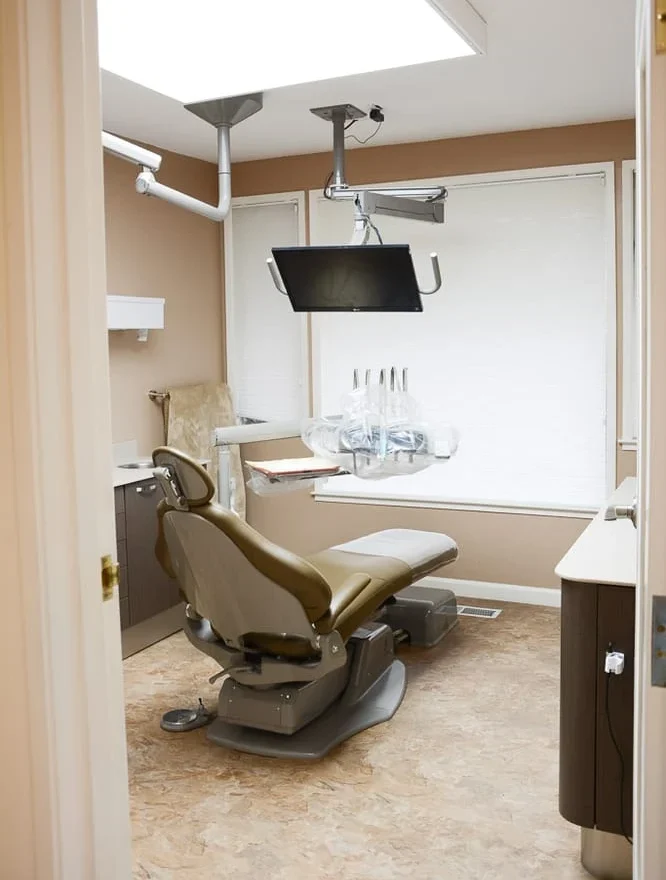
Restorative dentistry is about more than repairing teeth—it’s about restoring your health, comfort, and confidence. Whether you need a simple filling, a crown, or advanced treatment like root canal therapy, we provide expert, compassionate care. Each treatment is carefully designed to restore strength, function, and the natural beauty of your smile.
Cavities, fractured teeth, or tooth loss should not compromise your oral health or confidence. Explore our full range of restorative dentistry services and experience a healthier, stronger smile. Schedule your appointment today and let our team of experts bring comfort, function, and confidence back to your oral health.
Bring your dental insurance card, a photo ID, and a list of any medications you take. If you have recent X-rays from a previous dentist, bring those too — it saves time and reduces repeat imaging. Let us know about any tooth sensitivity or pain before you sit down. The more detail you share upfront, the faster we can find the right fix for you.
Most simple fillings are done in a single visit, usually under an hour. Crowns and implant-supported restorations typically take two to three appointments spread over a few weeks. Root canal treatment followed by a crown may take three to four weeks total. We give you a clear timeline after your exam so you know exactly what to expect and can plan around your schedule.
Sunnyvale’s municipal water is fluoridated, which helps protect natural tooth enamel. However, many residents use filtered or bottled water at home, which removes that fluoride benefit. Over time, this can make teeth more vulnerable to decay. If you rely on filtered water, mention it at your visit. We may suggest fluoride treatments to keep your enamel strong between restorations.
No — modern restorations are matched to your natural tooth color. Composite fillings, ceramic crowns, and porcelain onlays are all designed to blend in. Most patients tell us they forget which tooth was treated within a few weeks. We use digital imaging and color-matching tools to get the shade right before we place anything permanently.
Waiting usually makes things worse, not better. A small crack can split the tooth completely if left alone. A cavity that feels minor today can reach the nerve within months. Once that happens, you go from needing a filling to needing a root canal and crown. Patients across Sunnyvale who come in early almost always have simpler, faster treatment than those who wait.
Yes — our Sunnyvale location has convenient parking nearby, so you won’t need to stress about finding a spot before your appointment. If you prefer public transit, the area is well-served by local bus routes. We recommend arriving five to ten minutes early for your first visit so you have time to complete any intake paperwork before we get started.