

Services
Oral surgery encompasses a wide range of procedures performed by skilled oral surgeons and dental professionals to address conditions involving the teeth, gums, mouth, and jaw. Whether it’s removing a damaged tooth, treating impacted wisdom teeth, or preparing the jawbone for dental implants, oral surgery plays a vital role in maintaining both your smile and your overall health.
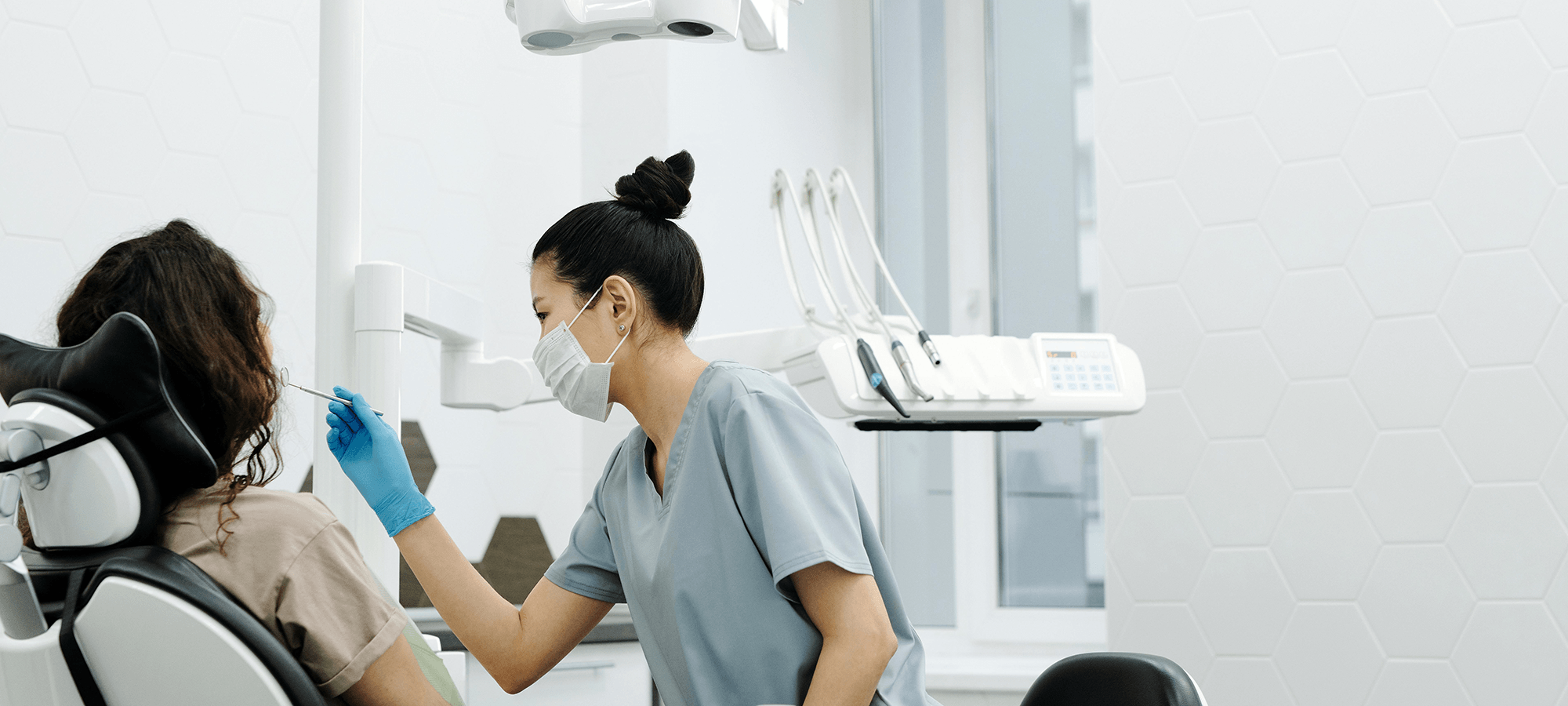
With today’s advanced technology, gentle techniques, and sedation options, oral surgery is safer, more comfortable, and more efficient than ever before. Our team provides precise, patient-focused care tailored to your unique needs, always prioritizing your comfort. From routine extractions to advanced bone grafting, we focus on restoring function, protecting long-term oral health, and supporting your overall well-being.
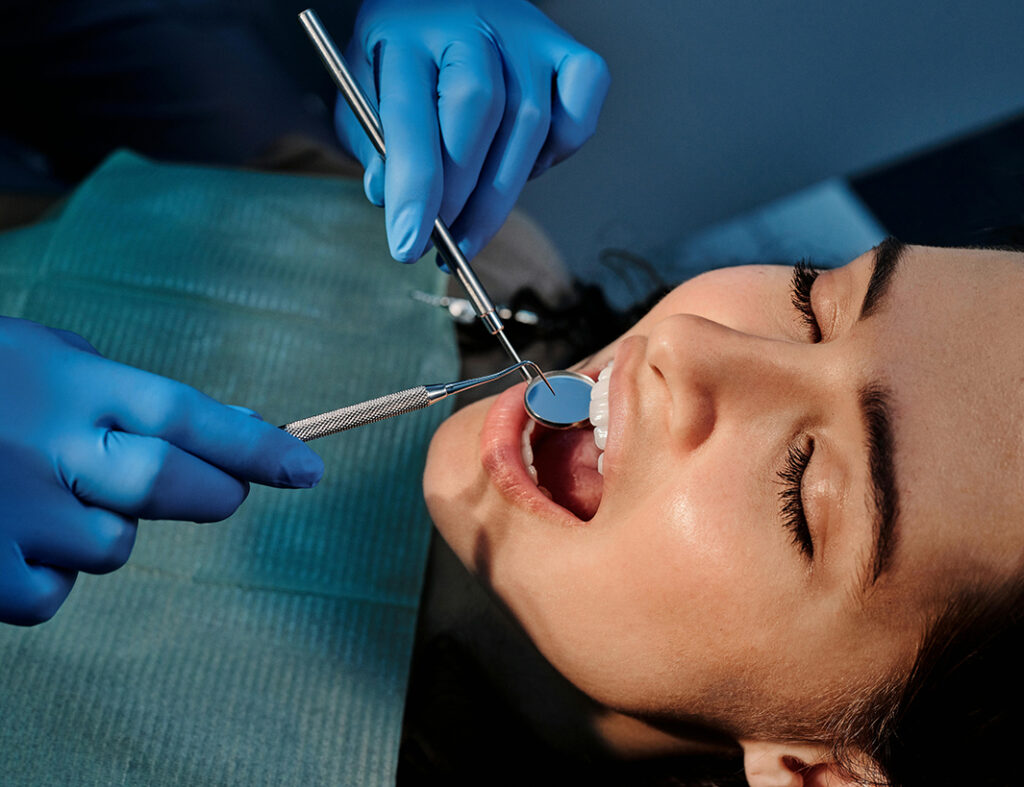
Not all dental problems can be solved through cleanings, fillings, or crowns. Some conditions require specialized surgical treatment from a Sunnyvale dentist trained in oral and maxillofacial surgery to restore function and prevent more serious complications. Oral surgery may be recommended for:
By addressing these issues promptly, oral surgery preserves your oral health, alleviates pain, and prevents further damage. With careful treatment planning and follow-up care, oral surgery provides long-term solutions that support a healthy smile, proper jaw function, and overall well-being.
Most people get wisdom teeth in their late teens or early twenties. Not everyone has room for them. When space runs short, those third molars press on nearby teeth and cause trouble fast. The pediatric oral surgery guidelines published by the American Academy of Pediatric Dentistry outline how providers should evaluate and manage these cases in younger patients.
We see a lot of Sunnyvale patients, especially near the Lakewood Village area, with jaw pain or swelling in the back of the mouth. That’s often the first clue. Wisdom tooth removal gets ahead of the damage before it reaches healthy teeth.
Here’s what usually tells us it’s time:
Some wisdom teeth come out simply. Others are impacted, stuck below the gum line or pressing sideways into the next tooth. We handle both here. Your digital X-rays show us where the roots sit and how they relate to the nerve, so there are no surprises during the procedure.
Recovery usually takes a few days. We walk you through aftercare before you leave the chair, you’ll know what to eat and what to avoid. And if you’re nervous about discomfort, we offer nitrous oxide to help you stay calm throughout.
This is one of our busier services for patients in their teens and twenties. Give us a call if you’re feeling pressure back there. Our wisdom tooth removal page covers the full process from consultation to healing.

With modern anesthesia and careful techniques, simple extractions are safe dental treatments performed with your comfort in mind.
Sometimes a tooth is too far gone. Decay has eaten through most of the structure, or a crack runs deep below the gumline. When a filling or crown can’t fix the problem, a tooth extraction is the right call.
A simple extraction is the removal of a tooth that is visible above the gumline. Most often, this dental treatment is performed for teeth that are severely decayed, broken beyond repair, or causing crowding.
Most simple extractions in Sunnyvale take under an hour. You’ll be back to normal activities within a day or two.
And if you’re nervous, that’s okay. We offer nitrous oxide to help you relax through the whole thing. I’ve done thousands of extractions over the years, the process is quick and predictable when it’s handled early.
Once the site heals, we can talk about replacement options like dental implants or dental bridges to fill the gap.
With modern anesthesia and careful techniques, simple extractions are safe dental treatments performed with your comfort in mind.
Not every tooth comes out easily. Some are broken at the gum line. Others have curved roots or sit too close to a nerve. That’s when a surgical extraction becomes the right call.
A surgical extraction is different from a simple pull. We make a small incision in the gum tissue to access the tooth fully. Sometimes we need to remove a thin layer of bone or section the tooth into pieces. It sounds intense, but the process is controlled and precise. You’re numb the entire time, and we offer nitrous oxide if you want extra calm.
Here’s what typically leads to a surgical extraction:
During a surgical extraction, a small incision may be made in the gum to access the tooth or surrounding bone. Occasionally, the tooth is divided into smaller sections to facilitate safe and efficient removal. Sedation options are available to ensure maximum comfort. Patients are typically instructed to apply ice packs after the procedure to minimize swelling and discomfort.
Surgical extractions provide a safe, predictable way to resolve complex dental problems, including wisdom teeth removal, and restore comfort quickly.
An impacted tooth is one that can’t break through the gum on its own. It’s stuck. Sometimes it’s wedged against another tooth, sometimes it’s buried in bone. Either way, it won’t fix itself.
Wisdom teeth are the most common culprits, but canines and premolars can become impacted too. You might not even know there’s a problem until a digital X-ray shows what’s happening below the surface. That’s why we catch so many of these during routine visits at our Sunnyvale office.
Impacted tooth removal requires a surgical approach. We make a small opening in the gum tissue, remove any bone blocking access, then extract the tooth carefully. Some impacted teeth come out in sections to protect surrounding structures. I’ll be honest, this is one of those procedures patients worry about more than they need to. We keep you comfortable the whole time.
Leaving an impacted tooth alone can lead to cysts, damage to neighboring roots, or recurring infections. Patients near the Lakewood Village area often come in after months of off-and-on jaw pain, only to learn the real cause was an impacted tooth they never felt erupt.
Not every jaw is ready for a dental implant right away. Sometimes the bone just isn’t thick enough or tall enough to hold one. That’s where bone grafting comes in.
Bone grafting adds material to your jaw to rebuild areas that have thinned out. This can happen after a tooth has been missing for a while. It also happens after infections or gum disease. The bone shrinks when there’s nothing there to keep it stimulated, it’s a natural process your body goes through.
We place grafting material into the weak spot and give it time to fuse with your natural bone. Over several months, your jaw grows stronger and denser. Once it’s healed, you’ve got a solid foundation for an implant that’ll last.
Bone grafting involves placing bone material (synthetic, donor, or from another area of your own body) into the jawbone where bone loss has occurred. Over time, the jawbone integrates with the graft, creating new strength and volume.
Bone grafting is a key procedure in modern oral surgery, ensuring patients have the strong, stable foundation necessary for lasting dental restorations.
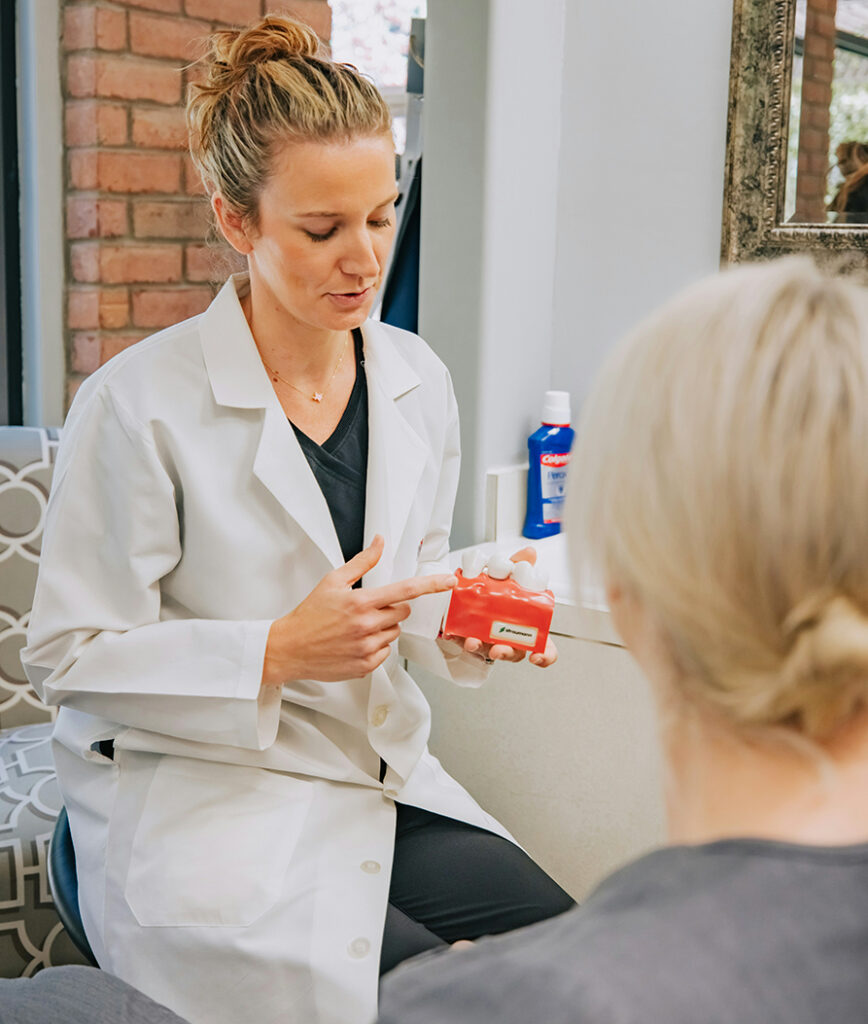
After oral surgery, proper aftercare is critical for comfort and healing. Common recommendations include:
Some swelling or mild discomfort may occur but subsides quickly under proper care. Our team provides clear, personalized post-op instructions to help ensure smooth recovery. With today’s advances, most patients experience faster healing and significantly less discomfort than expected.
We understand that the idea of surgery can feel intimidating. That’s why we prioritize patient comfort at every stage. From thorough consultations and digital imaging to advanced anesthetics and sedation dentistry, our goal is to create a safe and stress-free surgical experience.
We treat every patient with compassion and care, ensuring you feel informed and supported before, during, and after your procedure. Whether it’s a simple extraction, an impacted tooth, or reconstructive bone grafting, you can trust that your oral health is in skilled and caring hands.
Oral surgery restores more than just your smile—it restores comfort, health, and confidence. From simple extractions to advanced bone grafting, our surgical expertise ensures safe, effective results tailored to your needs. Prompt treatment of dental issues is essential to prevent complications and preserve oral health. Schedule your oral surgery consultation today and take the first step toward a healthier, pain-free future with a smile you can feel confident about.
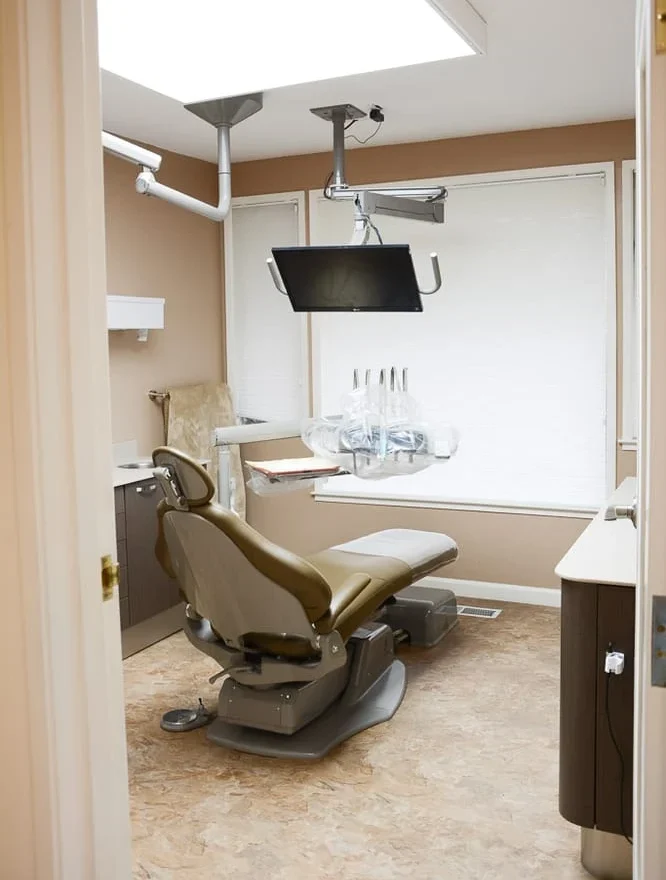
Our office is easy to reach from the Lakewood Village area with parking right outside the door. You won’t need to circle the block looking for a spot. We keep the front desk process quick too, so you’re not waiting long once you arrive. If you have mobility needs, let us know when you book and we’ll have you set up before you walk in.
Your first visit starts with digital X-rays so we can see exactly what’s going on below the surface. We’ll talk through your options, answer questions, and explain the procedure step by step. Most consultations take less than an hour. You’ll leave knowing what to expect, what it involves, and how recovery usually goes for your specific case.
A simple extraction works when the tooth is fully visible and comes out in one piece. A surgical extraction is needed when a tooth is broken below the gum line, has curved roots, or is impacted. We won’t know for sure until we look at your X-rays, but either way, we handle both right here in Sunnyvale.
You need the extraction done first if the damaged tooth is still in place. Once that site heals, we can talk about whether a dental implant makes sense to fill the gap. Bone density matters here, so we check that during your exam. Some Sunnyvale patients need bone grafting before an implant can go in.
Call us as soon as you notice swelling, jaw pain, or tenderness behind your back molars. Waiting lets the pressure push into nearby teeth and cause more damage. We see this often in Sunnyvale patients in their teens and twenties. Getting ahead of it now usually means a simpler procedure and easier recovery later.
No, most procedures we do only require local numbing, so you stay awake and comfortable. If you’re nervous, we offer nitrous oxide to help you relax without going under. Deeper sedation is only used for more involved surgical cases. We’ll go over sedation options with you during your consultation, based on your comfort level.