

Endodontics is a specialized branch of dentistry practiced by Sunnyvale dentists that focuses on the inner structures of the teeth—specifically the dental pulp and surrounding tissues. The most common endodontic procedure is root canal treatment, designed to preserve teeth that would otherwise require extraction. During the procedure, a temporary filling is placed to protect the tooth between appointments.
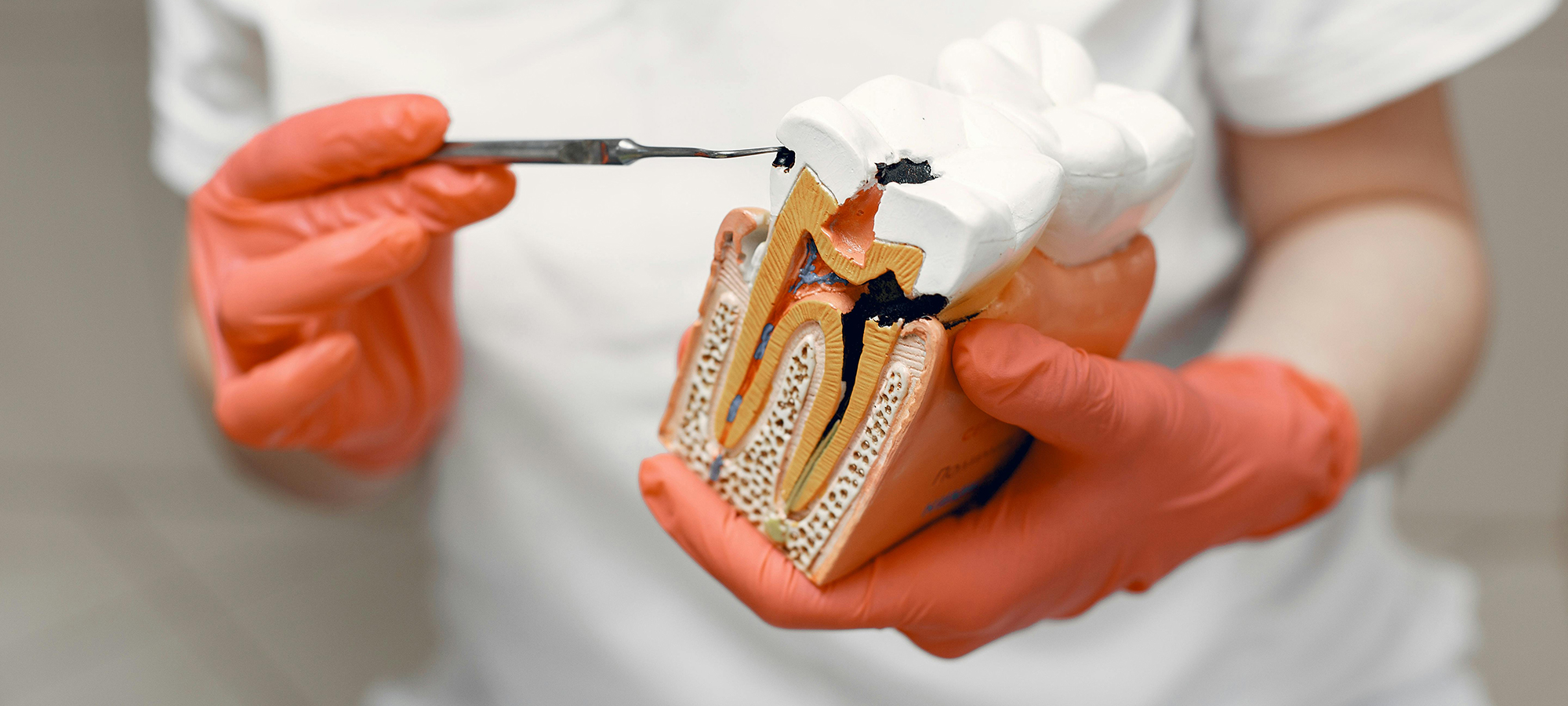
Endodontic care preserves natural teeth, alleviates pain, and restores function. Maintaining the natural tooth—even when the pulp is infected or damaged—is generally the best approach for long-term oral health, aesthetics, and functionality.

Most people walk into our Sunnyvale office with one question. “Do I really need a root canal?” The honest answer depends on what’s happening inside your tooth, not just what you feel on the surface. Endodontics is the branch of dentistry focused on the soft tissue inside your teeth, called the pulp. When that pulp gets infected, inflamed, or damaged, we step in to save the tooth.
Here’s what actually brings people through our door.
Deep decay is the most common reason. A cavity that sits too long doesn’t just stay in the enamel. It works its way down into the nerve.
Cracked teeth are another big one, and they’re tricky. You might bite down on something hard and feel a sudden zing. The crack might be invisible to the naked eye. But if it extends deep enough to expose the pulp, bacteria get in fast. A cracked tooth doesn’t always hurt right away. Sometimes it only hurts when you chew a certain way or drink something cold. That inconsistency confuses people. They wait. And waiting usually makes things worse.
Trauma is the third major category. A tooth can look perfectly fine from the outside but be dying on the inside. The nerve gets severed or bruised from the impact. Weeks or even months later, the tooth starts to darken. That discoloration means the pulp tissue is breaking down. Without endodontic treatment, an abscess can form at the root tip.
So what does that abscess actually mean for you? It’s a pocket of infection sitting in your jawbone. According to the American Association of Endodontists, untreated dental infections can spread to surrounding tissues and, in rare cases, become life-threatening. That’s not meant to scare you. It’s meant to explain why we take pulp infections seriously.
There’s also something called retreatment. If you had a root canal years ago and the tooth starts acting up again, that doesn’t mean the original procedure failed. Teeth are complex. New decay can develop around an old restoration. A missed canal, sometimes so narrow it’s nearly impossible to see, can harbor bacteria. Our team uses advanced microscopy to find these hidden canals, something that wasn’t standard practice even ten years ago. Retreatment gives that tooth a second chance.
Then there’s apicoectomy, a surgical approach we use when a standard root canal isn’t enough. The tip of the root gets removed along with the infected tissue around it. It sounds intense, but it’s a precise, focused procedure. Patients come in nervous about it and leave surprised at how straightforward recovery is.
Not sure if your situation fits any of these? That’s actually pretty common. Tooth pain can be misleading. A sinus infection can mimic a toothache. Gum disease can cause symptoms that feel like a root canal problem. Part of what we do is figure out exactly where the pain is coming from before we ever pick up an instrument. Diagnosis matters more than speed.
We also treat teeth with internal resorption, a condition where the tooth starts dissolving from the inside out. It’s rare, but when we catch it, endodontic intervention can stop the process and preserve the tooth. Nine times out of ten, patients with resorption had no idea anything was wrong until it showed up on an X-ray during a routine visit.
Here’s the part that really matters to you. Every one of these conditions has the same goal in our office: save your natural tooth. Implants and bridges are fine options, but nothing functions quite like the tooth you were born with. Your natural tooth has a ligament around it that acts as a shock absorber. It gives you feedback when you bite down. An implant can’t replicate that sensation. So when there’s a reasonable chance of saving the tooth, endodontic treatment is almost always worth it.
If you’re dealing with lingering pain, sensitivity that won’t quit, or a tooth that just feels “off,” those are signals worth paying attention to. Our Sunnyvale practice is built around answering exactly these kinds of concerns.
Give us a call and let’s figure out what’s going on before it becomes an emergency.
A root canal is a dental treatment designed to remove infection from inside the tooth while preserving its natural structure. The pulp tissue may become infected due to deep decay, cracks, fractures, or trauma, which can affect your ability to chew or bite comfortably.

Many patients wonder how they’ll know if they need a root canal, one of the common dental procedures included in our comprehensive dental services.
It’s also possible to have little to no symptoms while an infection is present, which is why regular dental checkups and X-rays are essential. If any of these issues occur, it’s important to visit your dentist promptly for an evaluation and appropriate treatment.

Here’s the good news. Most of our patients feel better within a day or two.
Right after your procedure, the numbness from local anesthesia takes a couple of hours to wear off.
Some tenderness around the treated tooth is completely normal for the first few days. Your body just went through a healing process, and the tissue around the root tip needs time to calm down. Over-the-counter pain relievers like ibuprofen handle this well for most people. We see patients every week who expected the worst and then tell us, “That was it?” Nine times out of ten, the discomfort after treatment is way less than the toothache that brought you in.
But what to watch for. A little soreness when you bite down? Normal. Mild swelling in the gum area? Also normal.
Sharp, intense pain that gets worse after three or four days, or swelling that spreads to your face or neck? That’s not normal, and you should call us right away. These situations are rare, but they do happen, and catching them early makes all the difference.
For the first 48 hours, stick to softer foods. Scrambled eggs, pasta, yogurt, soup. Avoid chewing directly on the treated side. If you had a molar worked on, this is easy to manage. Just favor the other side for a few days. Skip anything crunchy, sticky, or extremely hot until the tenderness fades. Most patients tell us they’re back to eating normally within three to five days.
One thing people don’t always think about is the temporary filling. If we placed a temporary restoration, it’s designed to hold you over until your permanent crown or filling is placed. It’s not meant to last forever.
Getting that permanent restoration is the single most important step in long-term care. We can’t stress this enough. A root canal removes the infection and saves the tooth structure, but the tooth becomes more brittle over time without a crown protecting it. Patients who skip or delay their crown appointment are the ones who end up cracking the tooth months later. That’s a situation where we saved the tooth once, and then it’s lost anyway. It’s frustrating for everyone. According to the American Association of Endodontists, teeth that receive timely crowns after root canal therapy have higher long-term survival rates.
Your follow-up matters. We’ll want to see you back to check healing, usually a few weeks to a few months after the procedure. Sometimes we’ll take a quick X-ray to confirm the bone around the root tip is recovering the way it should.
Watch for any changes over time. If the treated tooth starts feeling different months or even years later, don’t ignore it. Occasional cases need retreatment, and catching a problem early keeps your options open. Most retreatments are straightforward when they’re addressed quickly.

Fact: Modern technology, effective anesthesia, and techniques like isolating the infected tooth with a dental dam make root canal procedures comfortable and virtually painless. Most patients report that the experience feels similar to getting a filling.
Fact: Saving your natural teeth through root canal treatment is almost always the best option. Extractions can lead to bone loss, shifting teeth, and often more costly replacements like implants or bridges.
Fact: With proper care and restoration—usually with a crown—a tooth treated with root canal procedures can last a lifetime.
By addressing these myths, patients can feel confident and informed when considering endodontic care for an infected tooth.
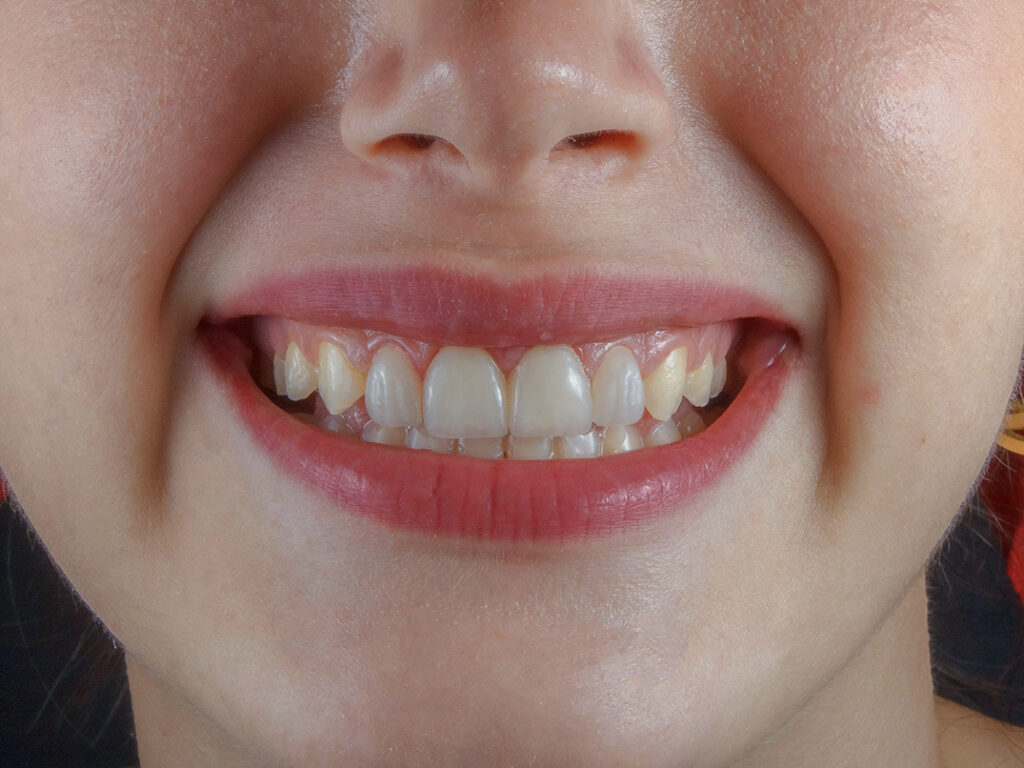
Nothing functions quite like your natural teeth. While restorative solutions such as implants or bridges are excellent options when necessary, preserving your own teeth should always be the first choice. Root canal therapy preserves the tooth’s natural root structure, helping maintain jawbone health and alignment of surrounding teeth.
It also allows patients to continue smiling, chewing, and speaking normally without the cost or complexity of tooth replacement. By choosing a root canal, you’re investing in a long-term solution that prioritizes both dental health and everyday comfort.
We take pride in making endodontic treatment as comfortable and stress-free as possible. Our team uses advanced imaging, precise anesthetics, and modern endodontic techniques to ensure the highest success rates with minimal discomfort. For patients who experience dental anxiety, we also offer calming options to make each visit easier.
From your initial diagnosis through treatment and restoration, we focus on your comfort, understanding, and health. With our expert care, root canal treatment is a simple, effective procedure that saves teeth and restores peace of mind.
A severe toothache or infection does not necessarily require tooth extraction. With advanced root canal therapy, we can relieve your pain, restore your oral health, and protect your natural smile for life. Don’t wait for infection to worsen—early treatment ensures faster relief and better results. Schedule a consultation today, and let our endodontic care save your tooth and give you back a strong, confident smile.
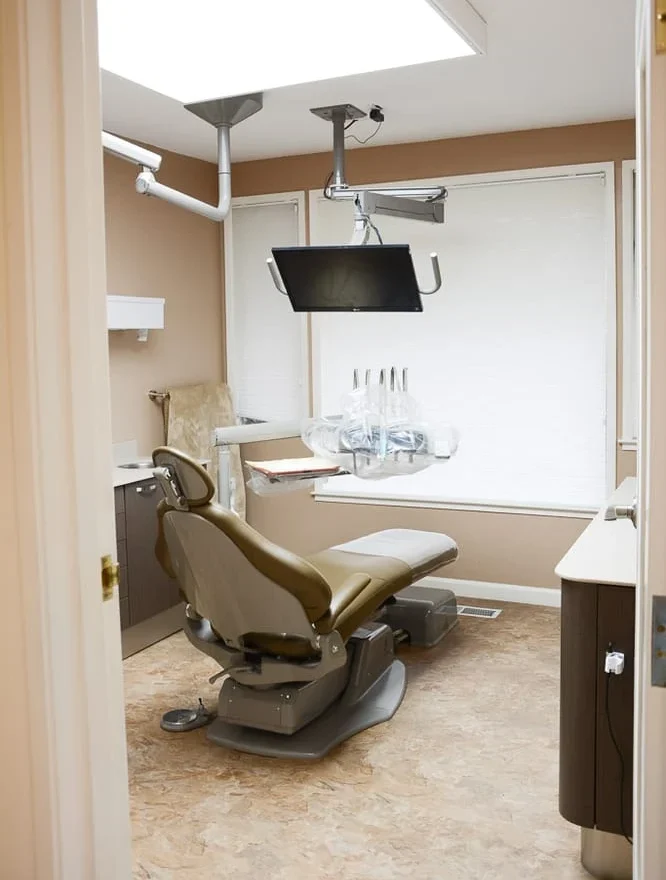
If your tooth pain lingers more than a few seconds after eating or drinking something cold, the pulp may already be involved. A filling only works when decay stays in the outer layers of the tooth. Once bacteria reach the nerve, a filling won’t stop the infection. We do a full exam and take X-rays to see exactly what’s happening inside. You don’t have to guess. A quick visit tells us which treatment actually fits your situation.
Your first visit starts with X-rays and a short exam so we know exactly what’s going on before anything else happens. We’ll numb the area completely before starting any treatment. Most patients in Sunnyvale are surprised at how comfortable the procedure feels compared to what they expected. The whole appointment usually takes about 90 minutes. You’ll leave with a temporary or permanent filling in place, and we’ll walk you through what to do at home before you go.
Most people feel back to normal within one to three days after a root canal. Some tenderness when biting is normal for the first 48 hours. Over-the-counter ibuprofen handles most of that discomfort well. You should avoid chewing on the treated side and stick to soft foods for the first couple of days. If pain gets worse after day three or swelling spreads, call us right away. That kind of reaction is rare, but we want to hear from you quickly if it happens.
Yes, retreatment is a real option and it works well when caught early. A tooth that had a root canal years ago can develop new decay around the old restoration. Sometimes a very narrow canal was missed the first time and still has bacteria inside. We use high-magnification microscopy to find those hidden canals and clean them out properly. Retreatment gives your natural tooth another chance instead of moving straight to an extraction or implant.
Our Sunnyvale office has parking available nearby, so driving is simple for most patients. If you plan to take public transit, the VTA bus lines that run through central Sunnyvale stop close to most dental offices in the area. We do recommend having someone drive you home if you expect to feel groggy or if you were given any sedation. After a standard root canal with local anesthesia only, most patients drive themselves home without any problem.
Waiting usually makes things worse and limits your options. An untreated pulp infection can spread into the surrounding bone and form an abscess. The American Association of Endodontists notes that dental infections can spread to nearby tissues and, in rare cases, become serious medical situations. Beyond the health risk, a tooth that has been infected too long may not be saveable at all. Early treatment almost always means a simpler procedure, faster recovery, and a better chance of keeping your natural tooth.